

Back to Introduction
The joy of finding a great parking spot – ‘rockstar parking’ or ‘parking karma’ – it ranks right up there with finding cash you forgot about stashed in a pocket or beating the queue for the ticket everyone wants.
In a time where you can order a pizza for delivery to the spot you’re standing or hail a ride from a car with no driver, it seems reasonable to imagine finding the right parking spot at the right time, every time. But it’s significantly easier to imagine than it is to achieve.
Finding great parking can be exhilarating precisely because it’s too rare. Consider a familiar scenario that plays out millions of times daily in busy urban centers, among the more stressful parking experiences you can find.
A couple arrives for an important dinner, only to spend 15 frustrating minutes searching for parking, deciphering fee and payment signs, navigating payment sites or apps, and a breakneck walk to reach the restaurant with no time to spare. Office meetings, concerts, medical appointments – versions of this experience abound in daily life, adding up to 17 hours a year on average parking absorbs from American drivers and up to 50 in major metros like Boston or New York.
Parking’s ‘brand’ has become an unfortunate task that keeps you from where you need to be, when you need to be there. How that changes and what it takes starts with a close look at its all-too-familiar flaws.
1. Where do I go? Anyone’s guess.
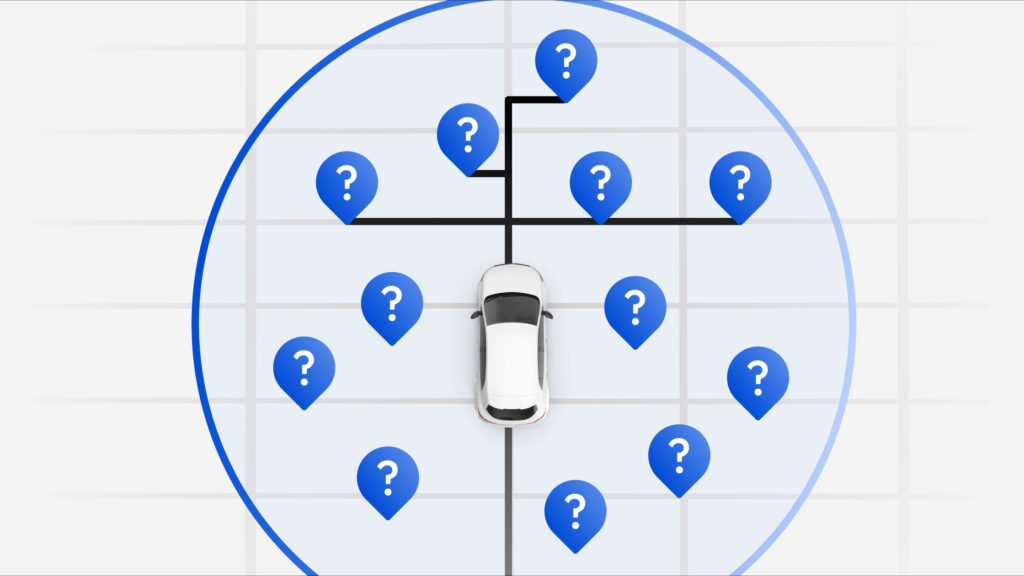
“What’s the parking situation?” We all know the tone. We’ve all asked the question. What we really mean: if parking is bad or uncertain enough, we’re out. Drivers need the out because they’ve grown accustomed to having little to no way of knowing if there will be parking that suits their criteria nor where they’ll find it. And the only way they’ve had to find out is to search block by block, floor by floor, one space at a time. Meanwhile, a bird’s eye view would say there are tens or hundreds of available spaces that fit their criteria in the vicinity.
Drivers don’t want to circle, and smart owners and operators are already solving this with real-time availability data – making empty spaces discoverable and reaping the enhanced revenue.
2. How can I plan? You can, and you can’t.
Modern parking has seen so many innovations and improvements, but they don’t always make planning easier and sometimes add complexity. On a given day, you might reserve a spot through one app for your first appointment and head to a garage for your next where you need a different one. Each delivers convenience for a given location but collectively creates a digital maze. We’ve never had more parking data at our fingertips, yet we feel no more certain about where we’ll end up parking. It’s the paradox of modern parking: technology everywhere, predictability nowhere.
The proliferation of parking tech shows an industry ready to transform. Each app represents an innovator solving for their respective markets – imagine the power when these solutions connect.
3. I’m in! Now what?

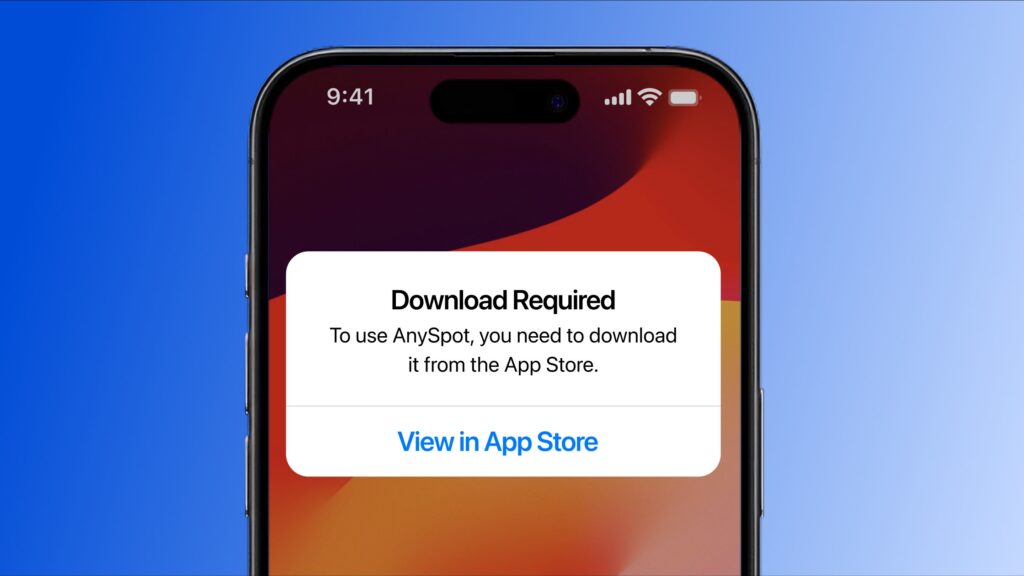
I’m in the parking business, but I’m not insulated from the confusion parking can entail. At the garage where I park for one appointment, I pull a ticket and must remember to bring it with me to validate. Otherwise, I need to awkwardly reverse, park again and return for validation. Or, I just cringe and pay at the gate to avoid the hassle. At a favorite performing arts venue, I pay in advance and stop to show the attendant my digital receipt. At another restaurant that validates parking, I’m advised to start my session before leaving the garage to avoid towing. And there’s the time I downloaded the app, entered my information and forgot to end my session. It’s different everywhere and always hard to determine where to enter, how to pay, or if I’m required to download another app.
Forward-thinking owners and operators are integrating their parking facilities into apps drivers use every day – meeting them where they are and making parking available with a few easy taps, so they can find and reserve parking in the places they’re already searching for it.
4. How was it? Never better!
As in, no, parking in too many cases hasn’t improved. For most drivers, parking represents at best a string of isolated, disconnected events. You could park at the same garage for years and never be considered a customer. There’s no way to know you’ve parked there before, once or many times; no way to recognize the car you drive; no way to encourage you to come back, to know if you will, and to know why if you don’t.
This is where the biggest wins await – turning one-time parkers into repeat visitors and recurring revenue for intentional owners and operators who crack the code.
From blind spots to roadmap
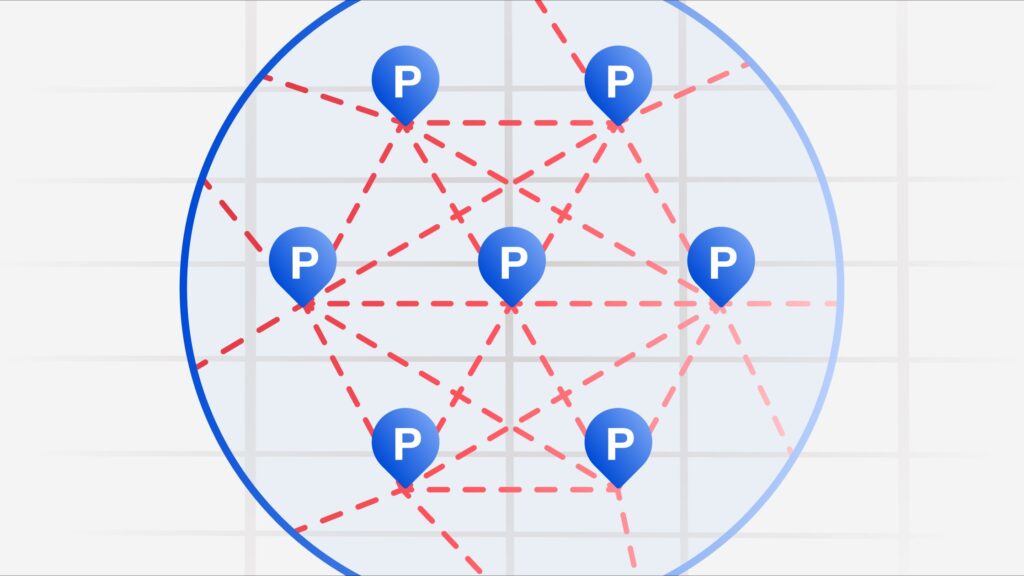
Now imagine the experience where these parking challenges resolve. That same visitor receives a parking reservation link with their meeting invitation. Upon arrival, AI-powered cameras recognize their vehicle, gates lift automatically, and they find an open spot near the elevator. When the meeting ends, they simply drive out while payment processes seamlessly in the background.
In the coming weeks, we’ll explore how this transformation unfolds – from the six powerful forces driving change to the commercial real estate leaders positioned to pioneer new models, to the networked future where every parking space becomes a dynamic asset. Each post will showcase real solutions and proven strategies that forward-thinking operators are implementing today.
It’s a transformation in parking – a new driver experience – that’s already underway in facilities around the country where progressive operators and owners are partnering with technology providers to turn solutions to these challenges into competitive advantage and 20-40% yield improvements.
When it comes to parking in the future, everyone’s a rockstar.